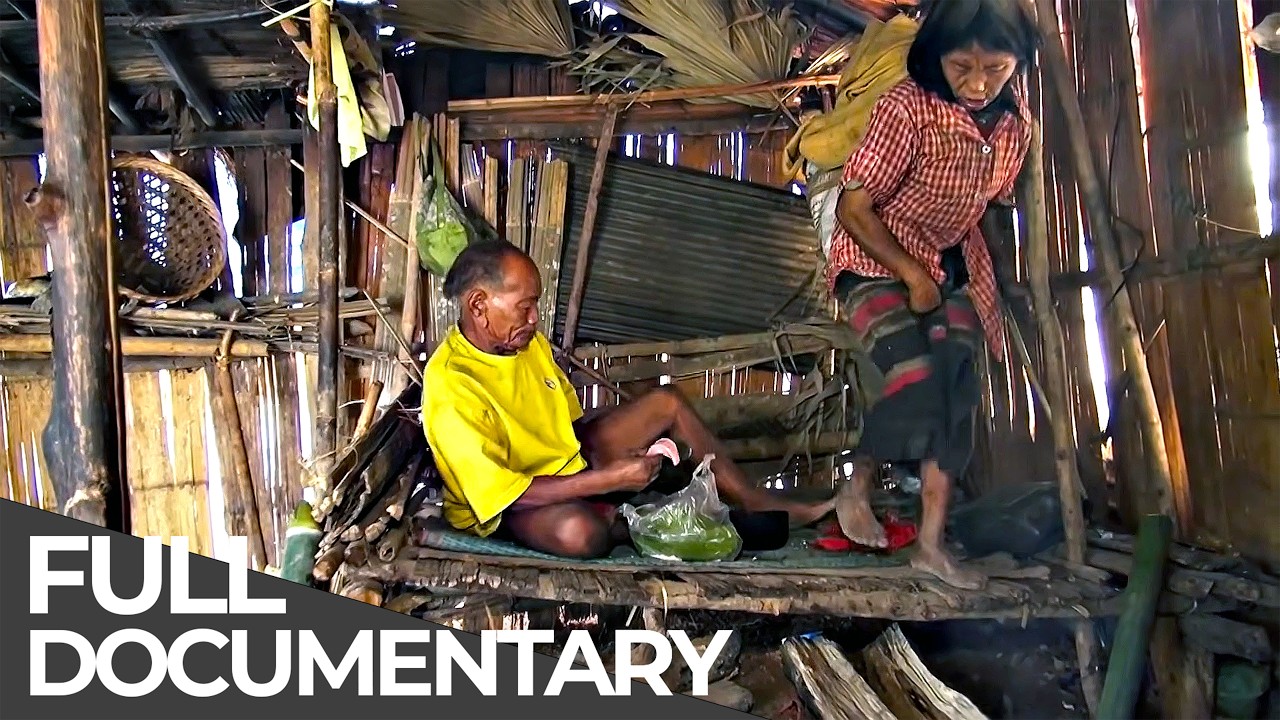
Mlabri: Asia’s Forgotten Forest People
Rare access to a former hunter-gatherer people reveals a community caught between an ancient forest life and the accelerating pressures of the modern world.
About this documentary
Documentary overview
Rare access to a former hunter-gatherer people reveals a community caught between an ancient forest life and the accelerating pressures of the modern world.
This full-length film is available through the official YouTube player supplied by YouTube.
Cultural documentaries are most useful when traditions are understood as living practices rather than decorative customs. Pay attention to who carries knowledge, how it is passed on, and which economic or social pressures are changing it.
A useful way to approach the film is to begin with its central subject, then test each wider claim against the evidence and voices presented on screen.
The title, runtime, category and publisher attribution on this page come from the source catalogue. Specific claims made inside the film should be evaluated in their original context.
Detailed documentary review
The Mlabri once moved with the seasonal rhythms of northern Thailand’s forests, building leaf shelters and gathering roots, insects, honey and small game. The film returns with elders who still remember those skills, even as logging and settlement have made their former life nearly impossible. Mission villages offer food, schooling and stability but introduce tourism, religious conversion and dependence on outside support. By watching the community briefly reconstruct a forest camp, the documentary captures more than disappearing techniques: it shows a people negotiating identity when the land that once made their culture possible has largely vanished.
Why watch this documentary
- Offers a focused introduction to its central subject
- Connects a specific story with a wider social, historical or scientific context
- Provides a basis for further reading and comparison with other sources
- Can be watched free through the original publisher’s player
What viewers may learn
- The main question suggested by the documentary title
- How the subject fits within its broader category
- Which types of evidence, testimony or observation the film emphasizes
- What questions deserve further verification after viewing
Questions to consider while watching
- What is the documentary’s central claim or organizing question?
- Which evidence or testimony is most persuasive, and why?
- Which viewpoints or contextual details may be missing?
- How does the publisher’s framing influence the story?
Topics covered
Who this documentary is for
- Viewers beginning research on the subject
- Students looking for a long-form introduction
- Documentary audiences who compare sources and perspectives
This page curates a publicly embeddable documentary. Playback, availability and video advertising are controlled by YouTube and the original publisher.
More like this
 EN53 min
Journey beyond the postcard image of Polynesia to encounter island cultures, ocean knowledge and communities spread across the world’s largest ocean.
Free DocumentaryEarth Untold: Polynesia
 EN88 min
Examine the fragile encounters between Peru’s isolated Mashco Piro people and the outside world as logging, history and survival bring both sides closer.
Free DocumentaryMashco Piro: The World’s Largest Isolated Tribe
 EN53 min
Enter a remote village where subsistence whaling binds generations together while migration, economic change and outside pressure threaten its future.
Free DocumentaryLamalera: Indonesia’s Last Whaling Culture
 EN53 min
Survey African kingdoms, cities, trade networks and intellectual traditions that challenge narrow accounts of the continent’s history.
PBS Documentaries