
About How the jeans market ruined Africa (Documentary, 2001)
The fate of two villages in East Africa, for generations both dependent on the cultivation of cotton, the most important natural resource for our clothing industry. One village cultivated its crop according modern agricultural standards with all its technical innovations and expensive imported chemicals – and is now dying in a trap of debt. The other village followed a tradional, organic method of cultivation and after only a few years is able to enjoy a certain modest affluence and confidence in the future. Original title: Cottonmoney & the Global Jeans A film from Peter Heller © 2001, Filmkraft Peter Heller
How the jeans market ruined Africa (Documentary, 2001) is presented by wocomoDOCS. Its listed runtime is 77 minutes. The source link and publisher attribution are provided with the embedded film.
As a economics & business documentary, How the jeans market ruined Africa (Documentary, 2001) uses jeans, market, ruined as its central frame. Economic documentaries connect abstract markets with concrete incentives and consequences. Track who makes decisions, who carries risk, which measurements are used and how costs or benefits are distributed.
What to consider before watching
- What evidence, testimony or observation does the film use to explain jeans, market, ruined?
- Which people, institutions or historical conditions most influence the story told in How the jeans market ruined Africa (Documentary, 2001)?
- How does wocomoDOCS' framing affect the documentary's emphasis, and which perspectives may deserve further research?
Topics covered in this documentary
Documentary details and original source
- Title
- How the jeans market ruined Africa (Documentary, 2001)
- Category
- Economics & Business
- Runtime
- 77 minutes
- Language
- English
- Publisher
- wocomoDOCS
Free Documentary Vault provides independent discovery, organization and editorial context. The film remains hosted by its original publisher, who controls availability and playback.
Related Economics & Business documentaries

130 billion pieces of clothing are produced every year and many millions of tons are thrown away. The textile industry is now the second most polluting sector in the world. The use of chemical products, water pollution, bulk transport, improper working conditions for employees; this harmful impact on the environment and populations is often brought to our attention. So how can we make clothes without harming the planet? Is it possible to make fabrics out of nothing but natural fibers? What will the clothes of the future look like? Chapters ▷ 00:00 - Introduction ▷ 02:09 - Lotus Fiber ▷ 09:53 - Salmon Skin, Fish Leather ▷ 15:34 - Tilapia Fish Skin Shoes ▷ 17:45 - Anti-Skid Shoes Made from Oyster Shells ▷ 19:02 - Pineapple Leather at the Royal College of Art in London ▷ 25:13 - Milk Fiber, QMILK ▷ 35:27 - Coffee Grounds as Natural Deodorizer, Singtex Industrial ▷ 43:33 - Smart Clothing ▷ 52:42 - End Credits ------- ------- From new technologies to great discoveries, today, we leave for a trip in the Future. This journey
wocomoDOCSSustainable Fashion: How Eco-Friendly Fabrics Could Change the Industry | Shapers of Tomorrow (3/8)

A film about the world of smoke and ecological deserts; about the cultivation of tobacco and its disastrous effects on Africa’s farmers and youth. Smoking has become less of a threat to the health of the developed world. Although consumer habits and cultivation have drastically changed in the northern hemisphere, the smoking industry now endangers the health of the rest of the world. A caravan of smoking cowboys and friendly camels invade Asian and African countries, carrying promises of a consumers’ paradise overseas. The souls of indigenous women and teenagers are conquered throughout the Third World , while the strategies of the tobacco industry choke local economies, leading them straight into misery. Smoking causes serious health problems, not only to each individual, but also to the planet itself: Smoking creates deserts. The expanding cultivation of tobacco requires razing of entire forests, both for new farmland and as source of fuel for drying tobacco leaves. The habit of smoking is causing ecological change of global dimensions. Original titel: Smoke sacrifice A film by Peter Heller © 2003, Filmkraft Peter Heller
wocomoDOCSTobacco industry and its deadly strategies - Smoking harms people and nature

This film tells the rise and fall of Nokia and the Finnish mobile phone industry from grassroots, the point of view of the basic engineers and experienced by those who made the miracle happen and then faced the destruction. Many ended unemployed, some moved to new areas of work, and few found a new innovative entrepreneur in themselves. Today, something new may be smouldering in the ruins of Nokia. A film by Arto Koskinen Once upon a time there was a large Finnish company that manufactured the world’s best and most innovative mobile phones. The company was called Nokia. Nokia’s annual budget was larger than that of the Government of Finland. People who got a job in that company rose to an undefined higher caste in which abundance was guaranteed till the end of their life. They were often envied for this reason. Luckily other Finns were also able to enjoy the Nokia name. Even an Egyptian market vendor would call Finnish tourists ”Mr or Mrs Nokia” upon hearing from where they came. Mobile phones changed the world. They have
wocomoDOCSNokia - We Were Connecting People | Documentary about the former market leader in mobile phones
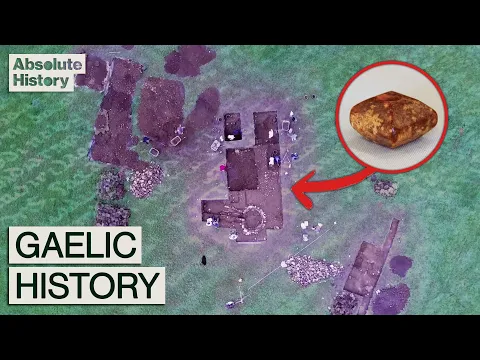
For centuries, history claimed the native Gaelic Irish were nomadic, with villages and towns only built by invaders. Now, a team of archaeologists in Western Ireland is uncovering shocking evidence that could rewrite Ireland's history forever. Follow their groundbreaking five-year excavation near Lough Key, searching for the fabled 13th-century Gaelic market town mentioned in ancient manuscripts. 💚 Join the Absolute History club to get access to exclusive member benefits! 📺 You can now become a History Hit member right here on the original video platform! Join for access to a new exclusive documentary every week, and access to over 160+ of our documentaries presented by world renowned historians like Dan Snow, Eleanor Janega, Tristan Hughes, Mary Beard, Matt Lewis and more.
Absolute HistoryThe Mystery Of The Lost 13th Century Gaelic Market Town

Shutting Down The Whale Hunting Industry | The Blue Realm examines the specific people, events and evidence presented in this documentary. A natural history series about amazing creatures of the sea. Utilizing superb High-Definition imagery, engaging stories, and leading marine scientists the series takes viewers on extraordinary journeys of discovery! Content licensed by Cana Media to Little Dot Studios.
Real WildShutting Down The Whale Hunting Industry | The Blue Realm

Get slimmer by eating chocolate - how scientific studies will make us believe the stupidest things! Day in day out we are bombarded by all kinds of promises on how to lose weight, almost all of which fail to deliver. Of the millions of dieters, only a handful will have long-term success, and yet there are countless studies claiming the opposite. Leading weight loss companies happily confront dieters with the scientifically backed claim that failing a diet would be their own fault. After all, world-renowned experts of all fields have proven the effectiveness of weight loss programs. Or have they? On their journey through Germany and France, Diana Löbl and Peter Onnecken investigate how the weight loss industry systematically buy scientific research and use it in their favor. Time and time again dubious studies are being published and serve only one purpose: fuelling the multi billion euro weight loss industry. German experts point the finger at a cartel of nutritionists who recommend questionable weight loss diets and promise healthy results based on questionable short-term studies. Similar results cannot be detected
wocomoDOCS