About Why Trench Warfare Was The Most Traumatising Form Of Fighting | History Of Warfare
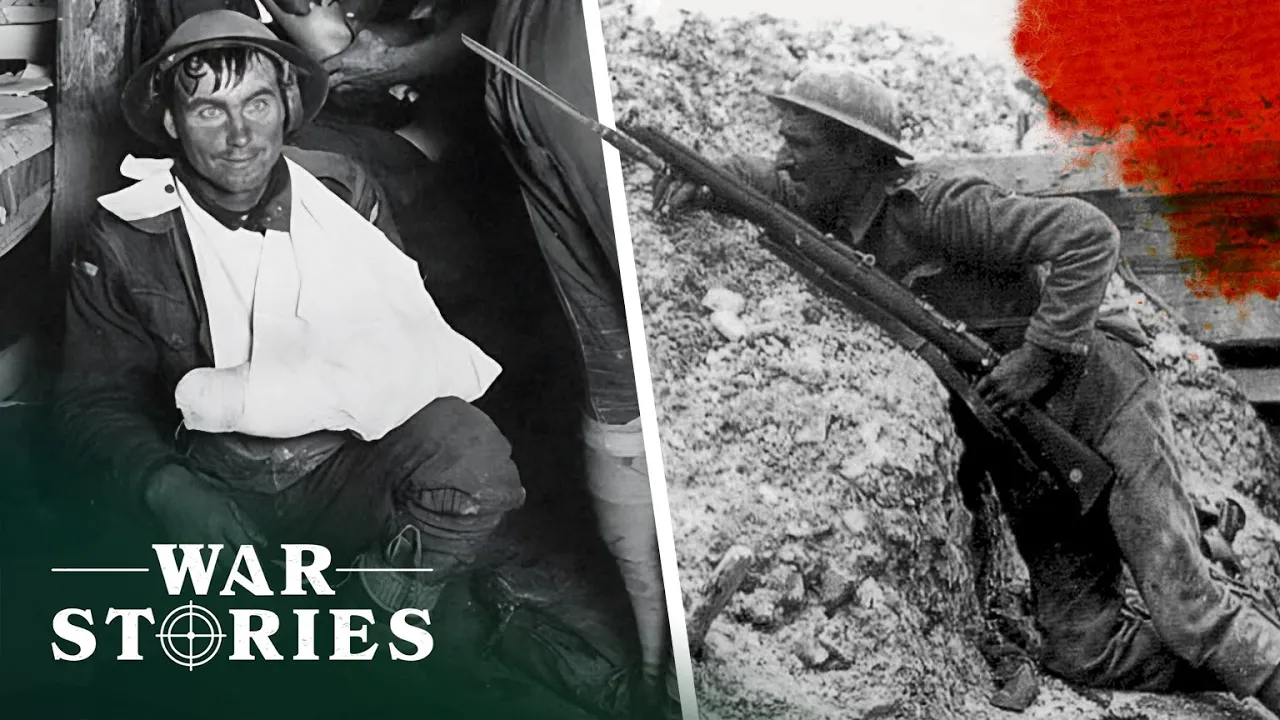
Soldiers had to endure horrific conditions while living in the trenches during WW1. This documentary delves into the Battle of the Somme and how the constant threat of enemy attacks, disease, and living in cramped, unsanitary conditions for extended periods took a physical and mental toll on those involved. War Stories is your one stop shop for all things military history. From Waterloo to Verdun, we'll be bringing you only the best documentaries and stories from history's most engaging and dramatic conflicts. You can find more from us on
Why Trench Warfare Was The Most Traumatising Form Of Fighting | History Of Warfare is presented by War Stories. Its listed runtime is 61 minutes. The source link and publisher attribution are provided with the embedded film.
As a history documentary, Why Trench Warfare Was The Most Traumatising Form Of Fighting | History Of Warfare uses trench, warfare, traumatising as its central frame. Historical documentaries interpret surviving evidence rather than simply replaying the past. Watch how archives, archaeology, expert interpretation and first-hand records are used, and note where uncertainty or competing explanations remain.
What to consider before watching
- What evidence, testimony or observation does the film use to explain trench, warfare, traumatising?
- Which people, institutions or historical conditions most influence the story told in Why Trench Warfare Was The Most Traumatising Form Of Fighting | History Of Warfare?
- How does War Stories' framing affect the documentary's emphasis, and which perspectives may deserve further research?
Topics covered in this documentary
Documentary details and original source
- Title
- Why Trench Warfare Was The Most Traumatising Form Of Fighting | History Of Warfare
- Category
- History
- Runtime
- 61 minutes
- Language
- English
- Publisher
- War Stories
Free Documentary Vault provides independent discovery, organization and editorial context. The film remains hosted by its original publisher, who controls availability and playback.
Related History documentaries

From the constant fear of death, to the physical toll of living in such squalid conditions and the psychological torment soldiers would have to endure, delve into the gritty details of life in the trenches of WW1. War Stories is your one stop shop for all things military history. From Waterloo to Verdun, we'll be bringing you only the best documentaries and stories from history's most engaging and dramatic conflicts. You can find more from us on
War StoriesWhat Was Life Really Like In The Trenches Of The Western Front? | History Of Warfare
This video is a documentary exploring four of the 20th century's most successful military masterminds who used guerrilla warfare to defeat larger, more powerful enemies: Mao Zedong, Tito, Fidel Castro, and Võ Nguyên Giáp. It highlights how these leaders adapted and perfected irregular warfare tactics to achieve their political and revolutionary goals, earning them a place among history's great military thinkers. War Stories is your one-stop shop for all things military history. From Waterloo to Verdun, we'll be bringing you only the best documentaries and stories from history's most engaging and dramatic conflicts.
War StoriesThe Bloody History Of Guerrilla Warfare

The Battle of the Somme was the bloodiest battle of WW1 and one of the bloodiest battles in human history. More than 3 million men took part in the batttle and around 1 million of them were wounded or killed. This documentary explores the history behind this turning point of the First World War. War Stories is your one stop shop for all things military history. From Waterloo to Verdun, we'll be bringing you only the best documentaries and stories from history's most engaging and dramatic conflicts. You can find more from us on
War StoriesWhy The Somme Was One Of the Bloodiest Battles In Human History | Battle Of The Somme

The Battle of Rorke's Drift saw 150 British soldiers defend a mission station against a force of over 3,000 Zulu warriors. Against all odds, the British were able to hold off the Zulus and defend their position throughout the night. War Stories is your one stop shop for all things military history. From Waterloo to Verdun, we'll be bringing you only the best documentaries and stories from history's most engaging and dramatic conflicts. You can find more from us on
War StoriesRorke's Drift: 150 British Soldiers Vs 3,000 Zulu Warriors | History Of Warfare
Pearl Harbor - 00:00 The war in the pacific started in 1941 with a ruthless surprise attack on the American naval base at Pearl Harbor. This daring attack had caught America off guard and dragged them into the war against an enemy on the other side of the world. This documentary explores the attack and the fatal consequences it had for the Japanese. Island Hopping - 49:55 Explore the pivotal battles and ingenious tactics that defined General MacArthur's island-hopping strategy, from the intense clashes on Guadalcanal to the relentless fighting in the Philippines. Delve deeper into the strategic brilliance behind America's campaign in the Pacific. The Atomic Bomb - 01:39:35 When America gained the upper hand in the Pacific, soldiers thought they were halfway to victory. They were wrong. The way that the Japanese forces fought only become harder to combat the closer the US got to Japan. Coming face to face with an army that would fight fanatically to the last man and never surrender was no easy task. War Stories is your one stop shop for all things
War StoriesAmerica vs Japan: The Complete History Of WW2's Pacific Theater In 2 Hours

Is this cave in the spectacular Cheddar Gorge one of the UK's earliest homes? Tony Robinson and the Time Team delve deep into the earth to solve this prehistoric mystery Odyssey is your journey into the world of Ancient History; from the dawn of Mesopotamia to the fall of Rome. We'll be bringing you only the best documentaries that journey into the mysteries and ruins of worlds long lost.
Odyssey - Ancient History Documentaries