About Why Did Britain Abolish Slavery in 1833? (Pt 1)
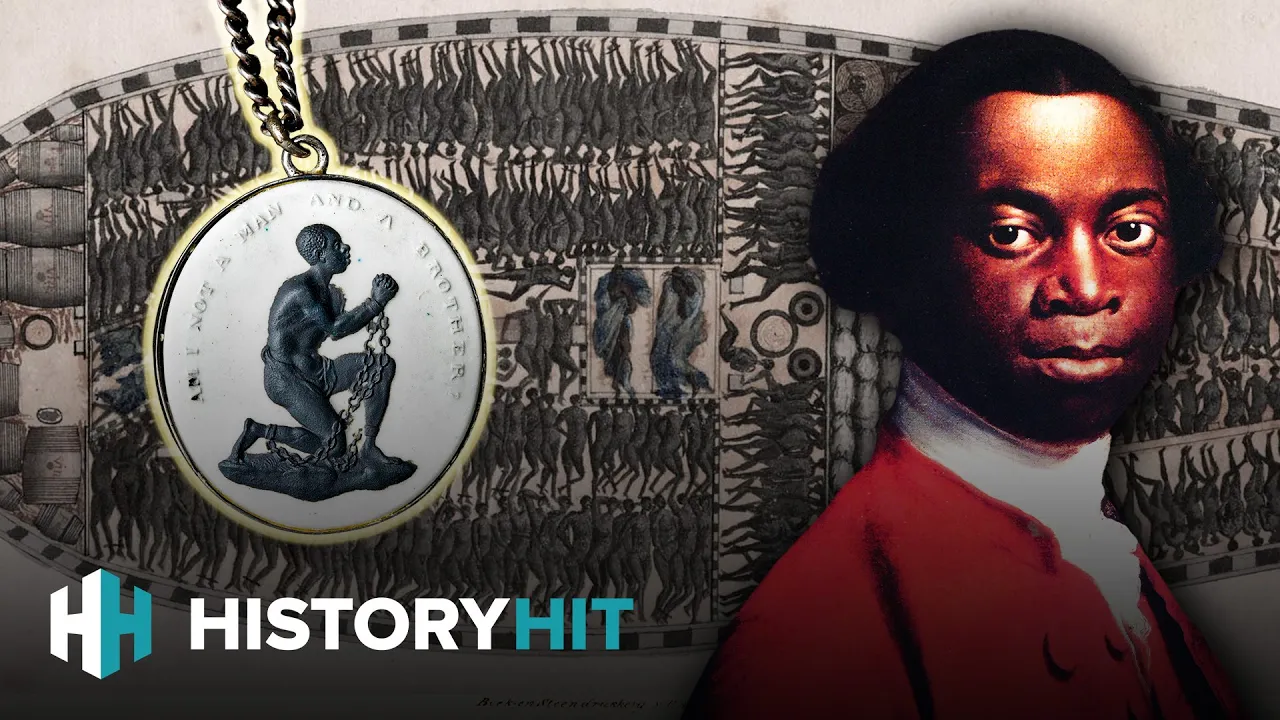
Documentary series exploring the abolition of Slavery in the British Dominions in 1833. In Episode 1 of this two-part documentary series, Luke Tomes explores the rebirth of an abolition movement in Britain with the formation of the Anti-Slavery Society in 1823, driven by the ambitious goal of ending the institution of slavery in British Dominions. Also introduced is the fierce opposition facing the abolitionists, the West India Interest, a political lobby comprised of wealthy merchants, proprietors and influential Members of Parliament – all of whom held vested interests in opposing emancipation at all costs. Presented by Luke Tomes. Featuring Dr Christer Petley, lecturer at the University of Southampton.
Why Did Britain Abolish Slavery in 1833? (Pt 1) is presented by History Hit. Its listed runtime is 32 minutes. The source link and publisher attribution are provided with the embedded film.
As a society documentary, Why Did Britain Abolish Slavery in 1833? (Pt 1) uses britain, abolish, slavery as its central frame. Social documentaries work best as invitations to examine systems through lived experience. Distinguish individual testimony from wider claims, and consider which institutions, incentives and inequalities shape the choices shown.
What to consider before watching
- What evidence, testimony or observation does the film use to explain britain, abolish, slavery?
- Which people, institutions or historical conditions most influence the story told in Why Did Britain Abolish Slavery in 1833? (Pt 1)?
- How does History Hit's framing affect the documentary's emphasis, and which perspectives may deserve further research?
Topics covered in this documentary
Documentary details and original source
- Title
- Why Did Britain Abolish Slavery in 1833? (Pt 1)
- Category
- Society
- Runtime
- 32 minutes
- Language
- English
- Publisher
- History Hit
Free Documentary Vault provides independent discovery, organization and editorial context. The film remains hosted by its original publisher, who controls availability and playback.
Related Society documentaries

How has the sniper rifle evolved over the last 100 years? It's time to find out! Luke Tomes returns to the Royal Armouries to fire some of the most iconic British sniper rifles of the last 100 years. As always, he is joined by Keeper of Firearms & Artillery, Jonathan Ferguson, who talks him through the history, design and development of each rifle, showcasing how British military sniping has evolved from the battlefields of the Second World War to the modern era. First up is the Lee-Enfield No. 4 Mk. I (T), the dedicated sniper variant of the British Lee-Enfield rifle developed during the Second World War. Chambered in .303 British, the No. 4 Mk. I (T) was selected for its accuracy and fitted with a telescopic sight, transforming the already proven Lee-Enfield into a specialist precision weapon. Used extensively by British and Commonwealth forces, it combined the fast, smooth action of the Lee-Enfield with the precision required for long-range shooting. It established a foundation for British military sniping that would influence specialist rifles for decades to come. Second is
History HitWe Fired the Most Iconic Sniper Rifles (Over Last 100 Years)

Join woodsman and survival expert Ray Mears as he embarks on a unique journey to uncover the truth behind one of Britain’s most enduring legends: Robin Hood. Blending his totally unique knowledge of wilderness skills with a passion for history, Ray explores the landscapes, forests, and historical records that have shaped the myth of the heroic outlaw. From Sherwood’s ancient oak to a document hidden in a medieval castle library, he examines the evidence for the man behind the legend, asking whether Robin was a real figure, a combination of a number of people, or a timeless symbol of justice. To help him on his quest Ray has enlisted the help of a team of experts and some close friends who can help bring to life the harsh realities of medieval life and highlight the real history that is contained within the tale of Robin Hood. You can now become a History Hit member right here on the original video platform! Join for access to a new exclusive documentary every week, and access to over 160+ of our documentaries presented
History HitRobin Hood, Fact or Fiction?

Hero in war. Villain in peace? Historian Kevin Ruane answers your questions about Winston Churchill, the two-time Prime Minister celebrated for leading Britain through the Second World War, yet still one of the most controversial figures in modern British history. You can now become a History Hit member right here on the original video platform! Join for access to a new exclusive documentary every week, and access to over 160+ of our documentaries presented by world-renowned historians like Dan Snow, Eleanor Janega, Tristan Hughes, Mary Beard, Matt Lewis and more.
History HitWhat Do Historians Really Think of Winston Churchill?

We love it, but can any historical truths be found in Tarantino's epic Inglourious Basterds?? War historian Jennifer Howe takes us through the real stories of the SS, Nazi occupation and The Richie boys, portrayed in this movie by Christoph Waltz, Brad Pitt, Diane Kruger, Eli Roth, and Mélanie Laurent. You can now become a History Hit member right here on the original video platform! Join for access to a new exclusive documentary every week, and access to over 160+ of our documentaries presented by world-renowned historians like Dan Snow, Eleanor Janega, Tristan Hughes, Mary Beard, Matt Lewis and more.
History HitWW2 Historians LOVE Inglourious Basterds

Historian Dan Snow answers the most asked questions about the Napoleonic Wars. Did Napoleon start the wars? How many Napoleonic Wars were there? How passionate is Dan about this history? Watch to find out. You can now become a History Hit member right here on the original video platform! Join for access to a new exclusive documentary every week, and access to over 160+ of our documentaries presented by world-renowned historians like Dan Snow, Eleanor Janega, Tristan Hughes, Mary Beard, Matt Lewis and more.
History HitHistorian Answers Google's Most Popular Questions About The Napoleonic Wars

"The Incredible Objects That Saved Ernest Shackleton's Life" Team History Hit is currently following in the footsteps of Anglo-Irish explorer Sir Ernest Shackleton, hoping to locate the shipwreck of the Endurance in the Weddell Sea. In this video, Luke Tomes visits the National Maritime Museum to see a recently exhibited sledge recovered from Shackleton's Nimrod Expedition (1907-09). He also speaks to Senior Curator of Maritime Technologies, Jeremy Michell about some of the objects which saved the famous explorer's life. Meanwhile, Dan Snow is at Dulwich College, which houses the James Caird, a lifeboat in which Shackleton, Frank Worsley and 4 other men undertook a 1,300 kilometre journey from Elephant Island in the South Shetland Islands through the Southern Ocean to South Georgia as part of the rescue mission during the Imperial Trans-Antarctic Expedition of 1914–1917.
History Hit