
About The Fall Of Berlin: What Happened In The Dying Days Of WW2?
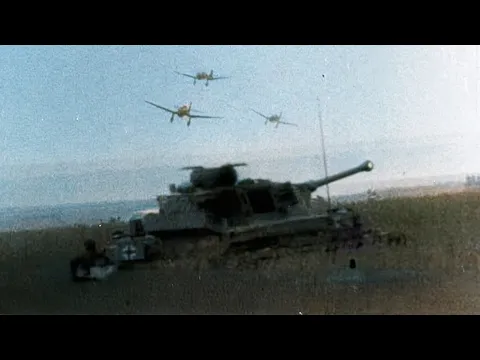
From D-Day to Berlin: The Allied Victory in Europe By early 1944, five years into World War II, the tide had turned against the expanding Nazi Empire, leading to the crucial Allied invasion of Northern Europe on D-Day, June 6, 1944. This massive assault, coupled with Soviet advances from the east, trapped Hitler in a continental vise, culminating in his suicide on April 30, 1945, and Germany's unconditional surrender on May 8, 1945. War Stories is your one-stop shop for all things military history. From Waterloo to Verdun, we'll be bringing you only the best documentaries and stories from history's most engaging and dramatic conflicts.
The Fall Of Berlin: What Happened In The Dying Days Of WW2? is presented by War Stories. Its listed runtime is 45 minutes. The source link and publisher attribution are provided with the embedded film.
As a society documentary, The Fall Of Berlin: What Happened In The Dying Days Of WW2? uses berlin, happened, dying as its central frame. Social documentaries work best as invitations to examine systems through lived experience. Distinguish individual testimony from wider claims, and consider which institutions, incentives and inequalities shape the choices shown.
What to consider before watching
- What evidence, testimony or observation does the film use to explain berlin, happened, dying?
- Which people, institutions or historical conditions most influence the story told in The Fall Of Berlin: What Happened In The Dying Days Of WW2??
- How does War Stories' framing affect the documentary's emphasis, and which perspectives may deserve further research?
Topics covered in this documentary
Documentary details and original source
- Title
- The Fall Of Berlin: What Happened In The Dying Days Of WW2?
- Category
- Society
- Runtime
- 45 minutes
- Language
- English
- Publisher
- War Stories
Free Documentary Vault provides independent discovery, organization and editorial context. The film remains hosted by its original publisher, who controls availability and playback.
Related Society documentaries

Uncover the devastating truth behind Operation Barbarossa, Hitler's ill-fated invasion of the Soviet Union. This documentary reveals how strategic miscalculations and a brutal ideology of annihilation doomed the Nazi war effort from the start. Featuring rare color footage and expert analysis, we delve into the savage realities of the Eastern Front, the vital contributions of Soviet women, and the pivotal Battle of Stalingrad, exploring why this became the psychological turning point of World War 2. War Stories is your one-stop shop for all things military history. From Waterloo to Verdun, we'll be bringing you only the best documentaries and stories from history's most engaging and dramatic conflicts.
War StoriesEastern Front: Rare Uncensored Footage From The Battle Of Stalingrad
Explore Operation Barbarossa, Hitler's catastrophic invasion of the Soviet Union in WW2. This documentary uncovers the brutal reality of the Eastern Front, from the initial blitzkrieg to the Red Army's desperate defense. Discover how Nazi racial ideology fueled a war of annihilation and ultimately led to Germany's downfall. Featuring rare archival footage and expert analysis, this is the definitive story of WW2's most brutal campaign. War Stories is your one-stop shop for all things military history. From Waterloo to Verdun, we'll be bringing you only the best documentaries and stories from history's most engaging and dramatic conflicts.
War StoriesWhy Operation Barbarossa Was Doomed From The Start

Discover how early ideals of precision targeting collapsed into unrestricted carpet bombing, from the horrors of the Blitz and Coventry to the vast air campaigns of Operation Barbarossa. Explore the heavy bombers like the Short Stirling, the secret race for radar tech, and the ultimate escalation at Pearl Harbor. War Stories is your one-stop shop for all things military history. From Waterloo to Verdun, we'll be bringing you only the best documentaries and stories from history's most engaging and dramatic conflicts. You can now become a History Hit member right here on the original video platform! Join for access to a new exclusive documentary every week, and access to over 160+ of our documentaries presented by world renowned historians like Dan Snow, Eleanor Janega, Tristan Hughes, Mary Beard, Matt Lewis and more. You can find more from us on
War StoriesHow The Bomber Became A Weapon Of Mass Destruction

A look at the early years of the German invasion of The Soviet Union, a time where the seemingly unstoppable advance of the Wehrmacht looked to have beaten the largest nation on the planet. War Stories is your one-stop shop for all things military history. From Waterloo to Verdun, we'll be bringing you only the best documentaries and stories from history's most engaging and dramatic conflicts.
War StoriesRaw Footage Of The Brutal Russian Winter That Halted Barbarossa

While hiking alone deep in Glacier National Park, Ted Porter plummets into an icy glacial crevasse. With a broken back and miles from anyone, he must fight to survive. Fight to Survive tells the inspiring true stories of outdoorsmen who have faced down death in the wilderness and lived to tell their story. Hosted by adventurer, author and survivor Craig DeMartino. WONDER is packed with binge worthy reality documentaries for hours of entertainment. Check out our hub of diverse and empowering stories which explore the extreme side of life! Content licensed from Big Media to Little Dot Studios.
WonderThis Man Survived A Deadly Fall That Broke His Back | Fight to Survive S2 E4

Explore the turbulent aftermath of WW2 through rare archival footage documenting the birth of the Cold War. From the dramatic final verdicts of the Nuremberg Trials and escalating tensions over the Berlin Blockade to early nuclear-era military tests and widespread post-war industrial strikes in America, this documentary reveals how world powers transitioned from wartime allies to fierce adversaries. Witness the pivotal events, political showdowns, and technological leaps between 1946 and 1948 that forever altered global history and shaped the modern world order. War Stories is your one-stop shop for all things military history. From Waterloo to Verdun, we'll be bringing you only the best documentaries and stories from history's most engaging and dramatic conflicts. You can now become a History Hit member right here on the original video platform! Join for access to a new exclusive documentary every week, and access to over 160+ of our documentaries presented by world renowned historians like Dan Snow, Eleanor Janega, Tristan Hughes, Mary Beard, Matt Lewis and more. You can find more from us on: This channel is part of the History Hit
War Stories