
About Tarnak Farm Incident: The American F-16 That Killed 4 Canadian Troops In Afghanistan
On April 17th 2002, two American F-16s were returning to base from a 10-hour patrol. Mistaking the 3rd Battalion, Princess Patricia's Canadian Light Infantry Battle Group for enemy soldiers, dropped a laser guided 500 pound bomb directly on top of them. This shocking friendly fire incident would lead to 4 Canadian soldiers being killed and injuring 8 more. War Stories is your one stop shop for all things military history. From Waterloo to Verdun, we'll be bringing you only the best documentaries and stories from history's most engaging and dramatic conflicts. You can find more from us on
Tarnak Farm Incident: The American F-16 That Killed 4 Canadian Troops In Afghanistan is presented by War Stories. Its listed runtime is 43 minutes. The source link and publisher attribution are provided with the embedded film.
As a society documentary, Tarnak Farm Incident: The American F-16 That Killed 4 Canadian Troops In Afghanistan uses tarnak, incident, american as its central frame. Social documentaries work best as invitations to examine systems through lived experience. Distinguish individual testimony from wider claims, and consider which institutions, incentives and inequalities shape the choices shown.
What to consider before watching
- What evidence, testimony or observation does the film use to explain tarnak, incident, american?
- Which people, institutions or historical conditions most influence the story told in Tarnak Farm Incident: The American F-16 That Killed 4 Canadian Troops In Afghanistan?
- How does War Stories' framing affect the documentary's emphasis, and which perspectives may deserve further research?
Topics covered in this documentary
Documentary details and original source
- Title
- Tarnak Farm Incident: The American F-16 That Killed 4 Canadian Troops In Afghanistan
- Category
- Society
- Runtime
- 43 minutes
- Language
- English
- Publisher
- War Stories
Free Documentary Vault provides independent discovery, organization and editorial context. The film remains hosted by its original publisher, who controls availability and playback.
Related Society documentaries

The Lions of Judah, a fearless group of German-speaking Jewish volunteers who became elite commandos during World War 2. Trained as part of the British Special Interrogation Group, these elite soldiers were tasked with infiltrating and sabotaging Nazi forces in North Africa. War Stories is your one stop shop for all things military history. From Waterloo to Verdun, we'll be bringing you only the best documentaries and stories from history's most engaging and dramatic conflicts. You can find more from us on
War StoriesLions Of Judah: The Jewish Commandos Who Sabotaged Rommel In North Africa

From the Battle of Britain to the final dogfights over Japan, explore every major WW2 air battle in this comprehensive 2-hour documentary. Discover how revolutionary engineering, daring tactics, and elite pilots shaped history in the skies. Featuring in-depth breakdowns of iconic aircraft, including the Spitfire, Mitsubishi Zero, P-51 Mustang, and the ME262 jet, this full-length chronicle covers the dogfights, bomber raids, and technological leaps that decided World War 2. War Stories is your one-stop shop for all things military history. From Waterloo to Verdun, we'll be bringing you only the best documentaries and stories from history's most engaging and dramatic conflicts. You can now become a History Hit member right here on the original video platform! Join for access to a new exclusive documentary every week, and access to over 160+ of our documentaries presented by world renowned historians like Dan Snow, Eleanor Janega, Tristan Hughes, Mary Beard, Matt Lewis and more. You can find more from us on: This channel is part of the History Hit Network. For any queries, please contact owned-enquiries@littledotstudios.com.
War StoriesEvery Major WW2 Air Battle In 2 Hours

Inside Operation Mushtarak, the massive 2010 Allied offensive to reclaim the Taliban stronghold of Marjah in Helmand Province. Experience the raw combat reality faced by US Marines as they navigate deadly IED networks, elite sniper fire, and brutal room-to-room combat while attempting to execute President Obama’s counterinsurgency strategy. War Stories is your one-stop shop for all things military history. From Waterloo to Verdun, we'll be bringing you only the best documentaries and stories from history's most engaging and dramatic conflicts. You can now become a History Hit member right here on the original video platform! Join for access to a new exclusive documentary every week, and access to over 160+ of our documentaries presented by world renowned historians like Dan Snow, Eleanor Janega, Tristan Hughes, Mary Beard, Matt Lewis and more. You can find more from us on
War StoriesAfghanistan Uncensored: Rare Footage From The Battle For Marjah

In April 1862, a quiet Tennessee plateau was transformed into an absolute slaughterhouse. This premium documentary chronicles the chaotic, bloody first 24 hours of the Battle of Shiloh. Caught completely off guard by a massive Confederate surprise attack, General Ulysses S. Grant’s raw Union troops were thrust into a hellish struggle for survival. Through grueling firsthand accounts, explore the desperate stand at the Hornets’ Nest and the fateful decisions that turned a "place of peace" into the bloodiest day of the early Civil War. War Stories is your one-stop shop for all things military history. From Waterloo to Verdun, we'll be bringing you only the best documentaries and stories from history's most engaging and dramatic conflicts. You can now become a History Hit member right here on the original video platform! Join for access to a new exclusive documentary every week, and access to over 160+ of our documentaries presented by world renowned historians like Dan Snow, Eleanor Janega, Tristan Hughes, Mary Beard, Matt Lewis and more. You can find more from us on
War Stories24 Hours In Hell: The Bloody First Day Of The Battle Of Shiloh
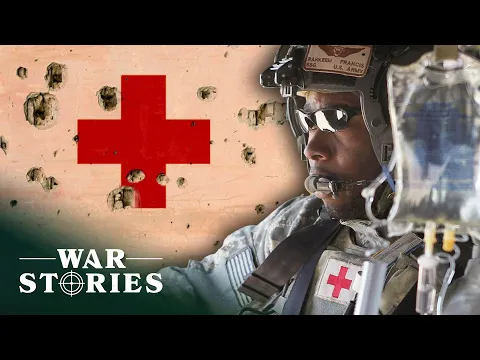
The war in Afghanistan presented a new type of warfare for the coalition forces to adapt to. Fighting against a hidden enemy using guerilla tactics, the essential task of treating the wounded became even more unpredictable and dangerous than it ever has been. War Stories is your one stop shop for all things military history. From Waterloo to Verdun, we'll be bringing you only the best documentaries and stories from history's most engaging and dramatic conflicts. You can find more from us on
War StoriesThe Impossible Task For Medics In Afghanistan

The Battle of Cambrai marked a turning point in WW1, as tanks were unleashed on a massive scale for the first time in history. The British deployed 476 tanks at Cambrai, and the initial success was staggering—5 miles of German lines breached and 10,000 prisoners taken. This new weapon of war struck fear into German troops and boosted Allied morale. War Stories is your one stop shop for all things military history. From Waterloo to Verdun, we'll be bringing you only the best documentaries and stories from history's most engaging and dramatic conflicts. You can find more from us on
War Stories