About Surviving The Harsh Australian Outback | Australia's Wild Places
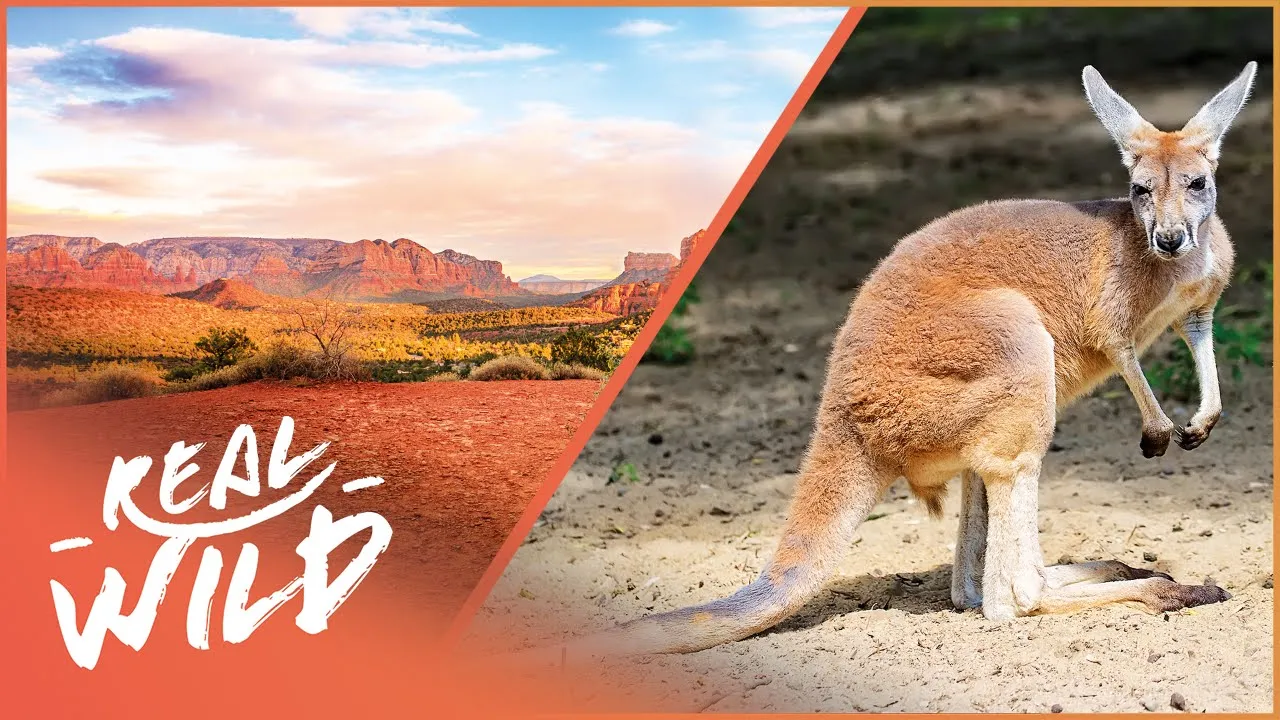
The Australian desert is home to some of the most deadly animals in the world. In this Real Wild documentary, we explore how animals live in the high heated Australian outback. The famous marsupial kangaroo along with lizards, camels, and wild horses are among these animals. We also see how the bush operates and struggles in the extreme heat, which often leads to uncontrollable fires. The Australian red desert is named this due to the rocks containing high amounts of iron. In this type of environment, these rocks actually begin to rust. As the rust expands, it weakens the rock and helps break it apart. The oxides produced through this process give the ground its reddish hue.
Surviving The Harsh Australian Outback | Australia's Wild Places is presented by Real Wild. Its listed runtime is 50 minutes. The source link and publisher attribution are provided with the embedded film.
As a society documentary, Surviving The Harsh Australian Outback | Australia's Wild Places uses surviving, harsh, australian as its central frame. Social documentaries work best as invitations to examine systems through lived experience. Distinguish individual testimony from wider claims, and consider which institutions, incentives and inequalities shape the choices shown.
What to consider before watching
- What evidence, testimony or observation does the film use to explain surviving, harsh, australian?
- Which people, institutions or historical conditions most influence the story told in Surviving The Harsh Australian Outback | Australia's Wild Places?
- How does Real Wild's framing affect the documentary's emphasis, and which perspectives may deserve further research?
Topics covered in this documentary
Documentary details and original source
- Title
- Surviving The Harsh Australian Outback | Australia's Wild Places
- Category
- Society
- Runtime
- 50 minutes
- Language
- English
- Publisher
- Real Wild
Free Documentary Vault provides independent discovery, organization and editorial context. The film remains hosted by its original publisher, who controls availability and playback.
Related Society documentaries

High on the frozen mountain peaks and deep within the thermal valleys of Yellowstone National Park, survival is a daily battle. This legendary wilderness is home to some of the most resilient predators on earth, including Bear 211, famously known to locals as Scarface. Over twenty years old and carrying the battle scars of a lifetime spent fighting for food, territory, and survival, this old warrior shows us what it truly takes to rule the northern range. Watch how mother grizzlies fiercely protect their cubs from relentless wolf attacks, and see massive heavyweights clash like sumo wrestlers in violent duels for total dominance over the valley’s precious resources.
Real WildMeet Scarface: Tracking Yellowstone's Iconic Grizzly Bear

It may come as a surprise that Australia doesn't just have flat plains and searing deserts. It actually has snow-capped mountains of its own. The peaks of the Australian Alps are over 600 million years old. Mt. Kosciuszko is the highest mountain on the continent and its slopes harbor rare and unusual species, adapted to the harsh conditions. See how the wombat survives in these cold temperatures and how wild horses thrive.
Real WildDid You Know This About The Australian Alps? | Australia's Wild Places

High in the Swiss Alps, a centuries-old way of life keeps one of the most famous natural landscapes intact. The species-rich mountain meadows of Grisons are not untouched wilderness, but a fragile man-made ecosystem shaped by generations of high-altitude livestock grazing. Without summering sheep and goats, dense forests and invasive alder shrubs would quickly erase this vibrant habitat. Today, traditional mountain farming faces unprecedented pressures. Fewer young locals take on the intense solitude of herding, forcing Swiss farms to rely on migrant shepherds living months at a time 2,000 meters above sea level. From grueling multi-day cattle drives up vertical rock faces to clever zero-waste wool initiatives, this story follows the dedicated people and animals working to save Switzerland's iconic alpine pastures. Experience the harsh beauty, ancient farming traditions, and massive conservation efforts keeping this high-altitude landscape alive.
Real WildWild Switzerland: Saving The Alpine Meadows

On the remote coastline of Australia's northwest, there are great natural wonders to be found. Above the sea on this sun-baked coast, there is very little, but each year, mysterious ocean visitors arrive. The biggest fish in the sea, the whale shark, vanishes almost as soon as they arrive, but what brings them to this place at all?
Real WildWhale Shark: Amazing Lifestyle Of The Largest Fish In The Sea | Australia's Wild Places

Just 460,000 people live in Tasmania, an island off the southeast coast of mainland Australia. While its human population is small, the majestic state is rich in natural wonders and is known for its large tracts of pristine wilderness. Wallabies, wombats, and the island's unique carnivorous marsupial, the Tasmanian devil, enjoy their isolated habitat, nearly devoid of natural predators.
Real WildWhat Exactly Are Tasmanian Devils? | Australia's Wild Places

This gripping documentary follows a former hunting guide who walked away from a lucrative trophy hunting business after a profound crisis of conscience. For 45 years, he traveled into the most remote wilderness areas of Western Canada to learn the true nature of grizzly bears. By using a revolutionary approach based on mutual respect and dominance hierarchy, he proved that humans and apex predators can peacefully share the landscape. From intense bluff charges to rare underwater swimming footage, this film dismantles the dangerous myths surrounding these highly intelligent creatures and showcases a lifelong mission to replace conflict with true coexistence.
Real Wild