About Surviving in the Underbelly of India | Welcome To India | Part 2
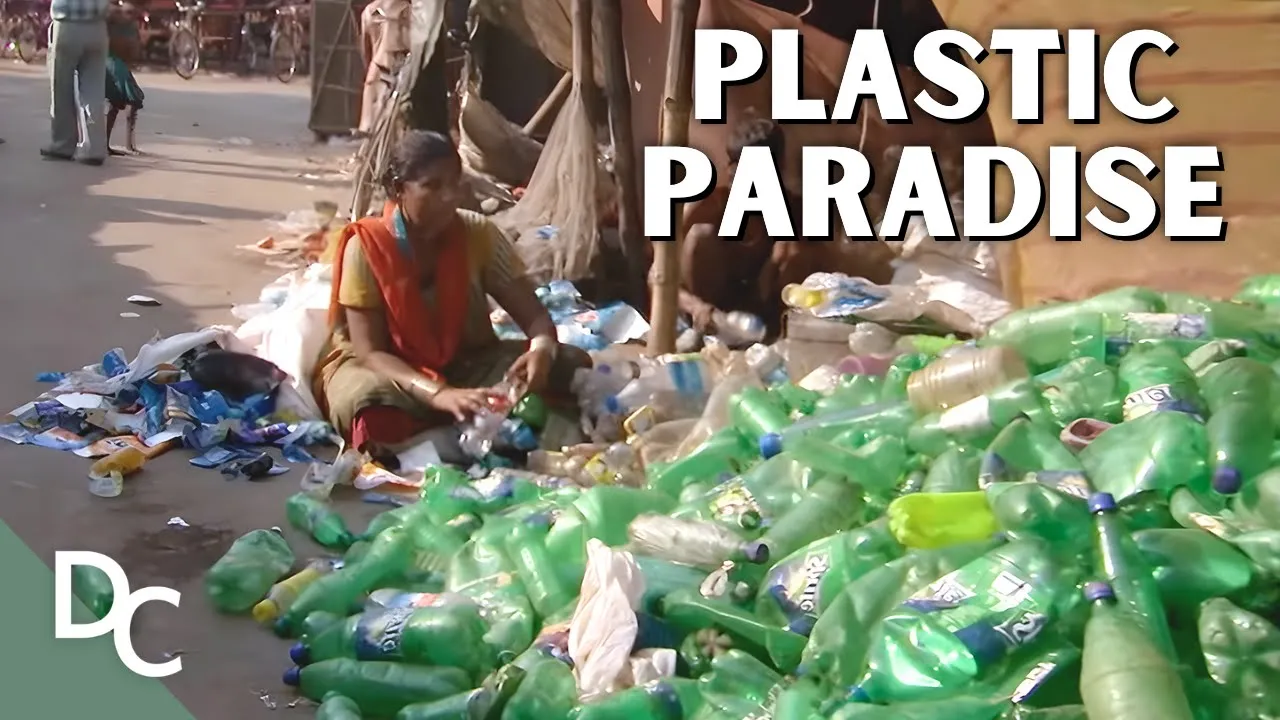
Surviving in the Underbelly of India | Welcome To India | Part 2 examines the specific people, events and evidence presented in this documentary. Johora started out as a rag-picker. But through building a bottle recycling business on a railway embankment, she has big ambitions for her family of 7 kids. When the local gangsters increase their protection payment demands, she boldly takes out a big loan and attempts to push her illegal business to another level. Documentary Central is the home for compelling documentaries tackling subjects like history, climate change, wildlife, conspiracy and more.
Surviving in the Underbelly of India | Welcome To India | Part 2 is presented by Documentary Central. Its listed runtime is 59 minutes. The source link and publisher attribution are provided with the embedded film.
As a society documentary, Surviving in the Underbelly of India | Welcome To India | Part 2 uses surviving, underbelly, india as its central frame. Social documentaries work best as invitations to examine systems through lived experience. Distinguish individual testimony from wider claims, and consider which institutions, incentives and inequalities shape the choices shown.
What to consider before watching
- What evidence, testimony or observation does the film use to explain surviving, underbelly, india?
- Which people, institutions or historical conditions most influence the story told in Surviving in the Underbelly of India | Welcome To India | Part 2?
- How does Documentary Central's framing affect the documentary's emphasis, and which perspectives may deserve further research?
Topics covered in this documentary
Documentary details and original source
- Title
- Surviving in the Underbelly of India | Welcome To India | Part 2
- Category
- Society
- Runtime
- 59 minutes
- Language
- English
- Publisher
- Documentary Central
Free Documentary Vault provides independent discovery, organization and editorial context. The film remains hosted by its original publisher, who controls availability and playback.
Related Society documentaries
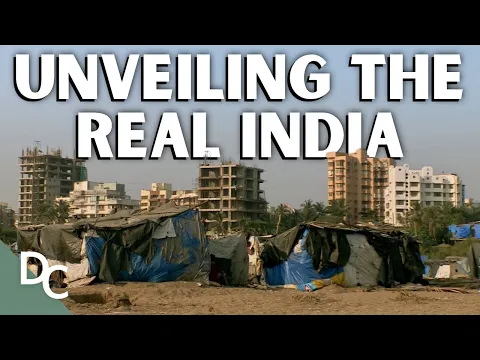
What They Don't Tell You About Life in India | Welcome To India | Part 1 examines the specific people, events and evidence presented in this documentary. Learning how to survive on an increasingly crowded planet is probably our ultimate challenge. But there’s one place, home to over a sixth of the world’s population, which is already making a good shot at adapting: welcome to India. This extraordinary observational series casts aside the usual preconceptions about the sub-continent, and lets a few of India’s 1.2 billion show how their world really works. Documentary Central is the home for compelling documentaries tackling subjects like history, climate change, wildlife, conspiracy and more.
Documentary CentralWhat They Don't Tell You About Life in India | Welcome To India | Part 1

Prakash and Mangesh are brothers in their early twenties from an illegal settlement surrounded by the buzz of downtown Mumbai. Prakash is deckhand on a yacht while striving to realise his dream and launch a Bollywood career. But his family are playing the long game, and make it clear his sole purpose is to earn enough to fund in their joint future: his brother Mangesh’s course in software engineering. Apparently doomed to be the underdog, an audition does finally come Prakash’s way… Documentary Central is the home for compelling documentaries tackling subjects like history, climate change, wildlife, conspiracy and more.
Documentary CentralCan Bollywood Shine a Light on Mumbai's Underbelly? | Welcome To India | Part 3

Actor Sean Bean narrates this four-part documentary, which focuses on the history of one-on-one combat and how people have used organised fighting - to gamble, aid diplomatic relations, settle scores and protect personal honour, for example - throughout the ages. Four eras of fighting are covered in the series - Victorian, Georgian, Elizabethan and Tudor - and each hour-long episode brings to life the duels, the pugilism and the fascination Britain has had with this grim form of entertainment. Witness the rise of female warriors, including Britain's first prizefighter superstar Elizabeth Wilkinson Stokes, plus the impact of Charles Dickens and the evolution of combat rules, marking a transformative era in London's tumultuous past. 💚 Join the Absolute History club to get access to exclusive member benefits!
Absolute HistoryThe Female Bare-Knuckle Prizefighters Of Georgian London | Fight Club

In this chapter we visit Infiernito, an ancient astronomical observatory of the Muiscas people in Colombia and travel through the Brazilian Amazon, in order to delve into the vision of the sky held by the Tucanos and Baniwas tribes. In Chile, we shall hear how the Association of Skeptics challenges the validity of horoscopes and we shall test astral charts. We’ll discuss the differences between astrology and astronomy and, in California, we ponder on the relation between the Cosmos and human history. Finally, in the Elqui Valley in Chile, we discover how the mysticism of chamanes co-exists with one of the most powerful observatories in the world: Gemini and the Cerro Tololo Interamerican Observatory. ------- Chapters ▷ 0:00 - Intro ▷ 02:16 - Destiny written in the Stars | Children of the Stars (8/10) ▷ 51:22 - Credits ------- ------- Children of the Stars is a voyage through the history of the people of America and their vision of the sky, since the earliest civilizations until the present. In this crossing between the future and the past, this series travels
wocomoDOCSHoroscopes, Astrology & Astral Charts - Destiny written in the Stars | Children of the Stars (8/10)

Tony Robinson's VE Day: Minute By Minute takes a unique look at a pivotal day in the history of the modern world, delving into the key events that made VE Day such a momentous twenty-four hours. This is the story of what happened on that most celebrated and important day, including original interviews with historians and veterans who tell their stories and share their first-hand experiences War Stories is your one stop shop for all things military history. From Waterloo to Verdun, we'll be bringing you only the best documentaries and stories from history's most engaging and dramatic conflicts. You can find more from us on
War StoriesWhat Was it Like To Celebrate VE Day In 1945? | VE Day: Minute by Minute

James May's Toy Stories | S1E06 | Lego James May concludes his quest to show just what is possible with old fashioned toys by using them on a scale never seen before, he attempts his biggest, most ambitious challenge of them all: building a full-size house out of Lego. Documentary Central is the home for compelling documentaries tackling subjects like history, climate change, wildlife, conspiracy and more.
Documentary Central