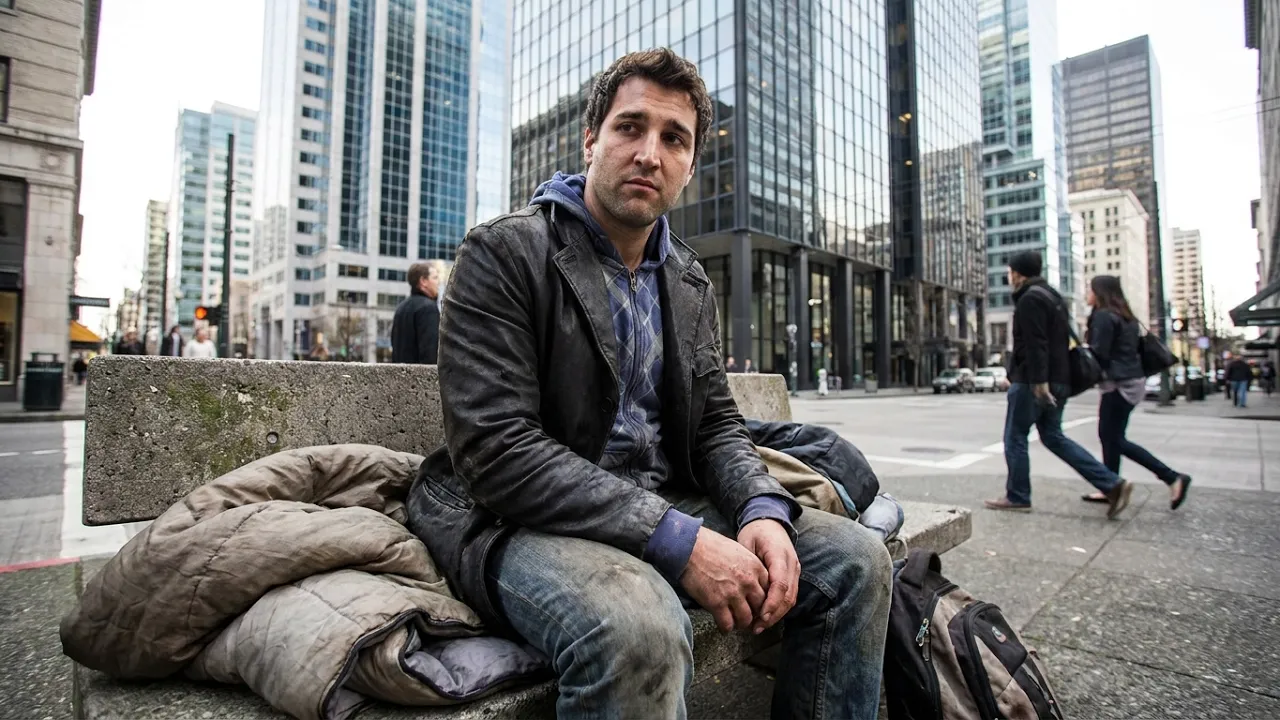
About Homeless for 30 Days in the World’s “Best” City
A month-long social experiment enters Vancouver’s Downtown Eastside to look beyond stereotypes and confront the realities of homelessness, addiction, illness and survival.
Homeless for 30 Days in the World’s “Best” City is presented by Best Documentary. The source link and publisher attribution are provided with the embedded film.
As a society documentary, Homeless for 30 Days in the World’s “Best” City uses homeless as its central frame. Social documentaries work best as invitations to examine systems through lived experience. Distinguish individual testimony from wider claims, and consider which institutions, incentives and inequalities shape the choices shown.
Extended overview
The filmmaker enters Vancouver’s Downtown Eastside expecting deprivation and finds a complicated network of shelters, charities, health services and street communities. Free meals and well-equipped facilities coexist with crowded sleeping spaces, infectious disease and the exhausting mechanics of addiction. Conversations range from personal responsibility and public incentives to supervised injection sites and non-judgmental health care. The month-long experiment does not produce a simple answer. Instead, it shows why visible services alone cannot resolve trauma, dependency, housing insecurity and the wider social forces that keep people on the street.
What to consider before watching
- What evidence, testimony or observation does the film use to explain homeless?
- Which people, institutions or historical conditions most influence the story told in Homeless for 30 Days in the World’s “Best” City?
- How does Best Documentary's framing affect the documentary's emphasis, and which perspectives may deserve further research?
Topics covered in this documentary
Documentary details and original source
- Title
- Homeless for 30 Days in the World’s “Best” City
- Category
- Society
- Language
- English
- Publisher
- Best Documentary
Free Documentary Vault provides independent discovery, organization and editorial context. The film remains hosted by its original publisher, who controls availability and playback.
Related Society documentaries

Johannesburg is a city of striking contrasts, where rapid development exists alongside deep social and economic challenges. In some of the city’s townships, criminal networks and local gangs have a powerful influence, while in wealthier suburbs, high walls, security systems, and private protection have become part of everyday life. This investigative documentary explores the realities of crime and personal security in Johannesburg, South Africa. We follow the experiences of gang members, victims, private security professionals, and ordinary residents as they navigate a city where trust in public institutions is often under pressure. From the challenges facing law enforcement to the rise of community patrols, private security, and neighborhood protection groups, this film examines why so many people feel they must take their safety into their own hands. What drives Johannesburg’s security crisis? How are different communities responding? And what does everyday life look like behind the headlines?
Best DocumentaryLife and Death in Johannesburg

Step into the heart of the refugee crisis as real migrants share their journeys across Europe, revealing the hopes, dangers, and daily realities behind the headlines. This video dives deep into the true stories of refugees and migrants who have crossed borders in search of safety and a better life. Filmed over three years and across 31 countries, it captures moments of fear, resilience, and the ongoing challenges faced by those who fled conflict zones like Afghanistan and Syria. You'll witness first-hand accounts of navigating fortified European borders, the dismantling of camps in Calais, and the emotional toll of waiting for asylum - often in limbo, uncertain of the future. Hear voices describing the treacherous crossings, the kindness of strangers in places like Germany and Sweden, and the harsh reality of political barriers. Personal moments reveal how families cope with loss, adapt to new cultures, and support one another in the face of adversity. The video also touches on shifting public opinion, the tightening of borders, and the complex intersection of politics, safety, and human rights in Europe’s ongoing migration
Real HistoryEurope’s Refugee Crisis - Stories of Hope, Struggle and Survival
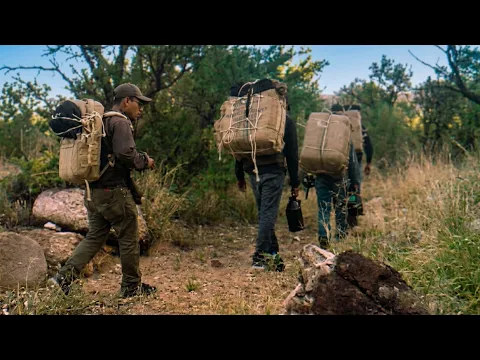
Six average Americans are confronted with the realities of illegal immigration while retracing the footsteps of dead border runners. Six Americans gather to embark on a haunting and perilous journey that begins inside the Pima County, Arizona morgue, in Tucson, Arizona. The six Americans are split into three groups, each tasked with retracing the journey of one of Pima County's dead migrants, discovering the grave circumstances that led to them risking everything for a new life. Things get very real in gang-controlled Arriaga, when the six Americans reunite in an abandoned train station. Like thousands before them, they must now risk everything to ride atop the freight train known as La Bestia (The Beast). In the final leg of their journey, the six must navigate the cartel-controlled Mexican city of Sinaloa and face the punishing hike across the border, through the sweltering Sonoran Desert. Series: Borderland, 4 episodes Series directors: Alex Simmons, Darren Foster, Jeffrey Plunkett
Best DocumentaryBorderland: Following the Deadly Route to America

Uncover the hidden side of the web in this deep dive into internet culture, online behavior, and the psychology behind toxic commentary. From the early days of online forums to today's digital age, this documentary explores how anonymity changed the way we communicate, for better and for worse. Director: Jonathan Baltrusaitis
Best DocumentaryInside the Mind of an Internet Troll

Take an in-depth look inside one of Britain's largest Muslim communities in this compelling documentary exploring everyday life in Sheffield's Page Hall. Meet the families who have built their lives over generations, discover the traditions that continue to shape the community, and hear first-hand accounts of what it's like living in one of the UK's most talked-about neighbourhoods. From family values and religious celebrations to cultural traditions, property ownership, and community life, this documentary offers a rare and balanced insight into a part of Britain that is often discussed but rarely understood. Alongside long-time residents and newer generations, the film explores how identity, heritage, and integration have evolved over the decades, revealing the challenges, successes, and stories behind one remarkable community. If you enjoy documentaries about British society, culture, immigration, and real-life communities, don't forget to like, comment, and subscribe for more fascinating documentaries every week.
OMG StoriesInside One of Britain's Most Dangerous Streets

In October 1946, the Nuremberg Trials officially came to an end with the sentencing of the Third Reich's top leaders. However, far from closing every chapter of World War II, that historic tribunal left behind a long list of unanswered questions. Contradictory testimonies, missing documents, controversial rulings, and facts that were never fully clarified have fuelled the interest of historians and researchers for decades. Among the greatest mysteries are the true extent of responsibility of certain defendants, the disappearance of key archives, and the reasons why specific high-ranking Nazi officials were never brought to trial. Debate also continues to surround the circumstances of certain suicides, the authenticity of particular evidence presented, and the ultimate fate of documents that could have exposed information regarding secret operations, escape networks, or international collaboration during the war. Another aspect that keeps raising questions is the role played by the Allied powers throughout the proceedings. Although the trials set a landmark precedent for international law, some critics argue that certain actions committed by the victors were never scrutinized with the same degree of rigor. This
Der Kommandant English