About 536 AD: How Did Humanity Survive The Worst Year In History?
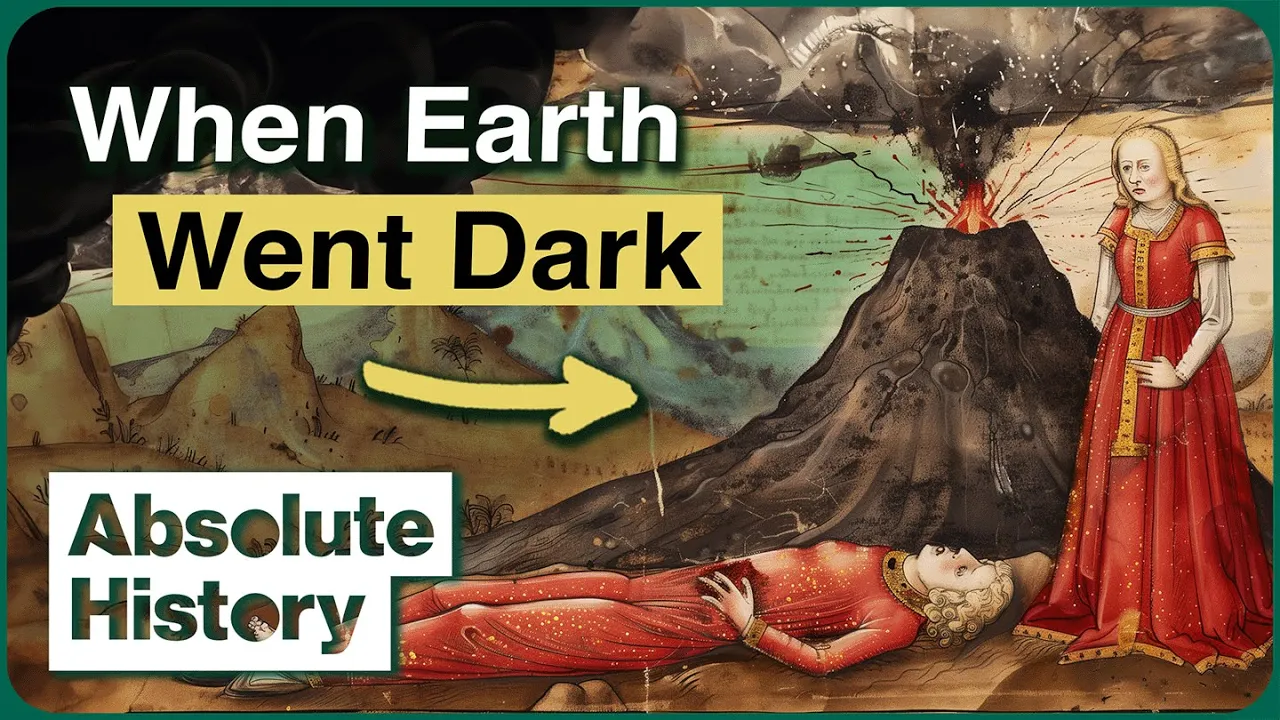
The volcanic winter of 536 was the most severe and protracted episode of climatic cooling in the Northern Hemisphere in the last 2,000 years. Investigating through the lens of dendrochronology and historical accounts, this documentary explores how a mysterious dimming of the sun, blood-colored rain, and dust clouds plunged civilizations into two years of darkness, followed by famine, plague, and societal collapse. Through the groundbreaking research of historians like David Keys and scientist Mike Bailey, discover how tree rings from around the world offer crucial insights into this pivotal moment that forever altered the course of human history. 💚 Join the Absolute History club to get access to exclusive member benefits!
536 AD: How Did Humanity Survive The Worst Year In History? is presented by Absolute History. Its listed runtime is 51 minutes. The source link and publisher attribution are provided with the embedded film.
As a history documentary, 536 AD: How Did Humanity Survive The Worst Year In History? uses humanity, survive, worst as its central frame. Historical documentaries interpret surviving evidence rather than simply replaying the past. Watch how archives, archaeology, expert interpretation and first-hand records are used, and note where uncertainty or competing explanations remain.
What to consider before watching
- What evidence, testimony or observation does the film use to explain humanity, survive, worst?
- Which people, institutions or historical conditions most influence the story told in 536 AD: How Did Humanity Survive The Worst Year In History??
- How does Absolute History's framing affect the documentary's emphasis, and which perspectives may deserve further research?
Topics covered in this documentary
Documentary details and original source
- Title
- 536 AD: How Did Humanity Survive The Worst Year In History?
- Category
- History
- Runtime
- 51 minutes
- Language
- English
- Publisher
- Absolute History
Free Documentary Vault provides independent discovery, organization and editorial context. The film remains hosted by its original publisher, who controls availability and playback.
Related History documentaries

The empire of ancient Greece was one of the most advanced and most powerful of the ancient world. This ancient superpower would go on to influence all aspects of human society thousands of years after their empire's demise. Their heroes, villains, gods and goddesses have lived on in infamy, but what was life like for the ordinary person in this time?
Real HistoryWhat Was Everyday Life Like In Ancient Greece?

In a world-first experiment, British cab driver Alan Bilis—diagnosed with terminal cancer—volunteers his body to solve a 3,000-year-old mystery: the "secret art" of mummification. For years, historians believed the Egyptians used simple dry salt to preserve their Pharaohs, but Dr. Stephen Buckley and Dr. Jo Fletcher have a radical new theory. 💚 Join the Absolute History club to get access to exclusive member benefits! 📺 You can now become a History Hit member right here on the original video platform! Join for access to a new exclusive documentary every week, and access to over 160+ of our documentaries presented by world renowned historians like Dan Snow, Eleanor Janega, Tristan Hughes, Mary Beard, Matt Lewis and more.
Absolute HistoryA Dying Man Agrees To Be Mummified Using Ancient Egyptian Techniques

In 1972, while digging a hill in Changsha, workers stumbled upon a tomb that would rewrite the history of death. Inside was Lady Dai (Xin Zhui), a woman who died 160 years before Christ, yet her skin was still soft, her limbs were flexible, and her veins still contained red blood. 💚 Join the Absolute History club to get access to exclusive member benefits! 📺 You can now become a History Hit member right here on the original video platform! Join for access to a new exclusive documentary every week, and access to over 160+ of our documentaries presented by world renowned historians like Dan Snow, Eleanor Janega, Tristan Hughes, Mary Beard, Matt Lewis and more.
Absolute HistoryThis Is The Best Preserved Ancient Mummy Ever Found

Jack London was the most famous American writer of the twentieth century, but he didn't always have an easy time of it. This symbol of adventure was at different times a vagabond, gold prospector, sailor, farmer, war reporter and socialist militant. 💚 Join the Absolute History club to get access to exclusive member benefits!
Absolute HistoryGrowing Up Poor In 19th Century America: The Jack London Story
The catastrophic volcanic eruption of 535 AD, likely Krakatoa, had far-reaching impacts on global climate and human history. This documentary explores how the eruption caused drastic environmental changes, leading to widespread crop failures, famine, and societal upheaval. Through scientific analysis and historical evidence, it connects this climatic catastrophe to the outbreak of the Antonine Plague, demonstrating how a single natural event reshaped civilizations, decimated populations, and set the stage for one of history's deadliest pandemics. Join us on a journey uncovering the interconnectedness of nature's fury and human suffering. 💚 Join the Absolute History club to get access to exclusive member benefits!
Absolute HistoryHow This Mega Volcano Caused A Deadly Plague That Swept The Roman Empire

King Henry VIII is one of history’s most recognizable figures, but the man behind the myth is far more complex than his six wives and his famous appetite. This documentary tracks the radical transformation of the "Royal Spare" who was never meant to be King. From his golden youth as a pious polyglot and star athlete to the tragic jousting accident that left him in lifelong agony, we explore how a desperate obsession with a male heir led Henry to tear his kingdom apart. Discover the truth behind the Bloody Reformation, the Dissolution of the Monasteries, and the chilling moment he warned his third wife to "remember Anne" when she dared to question his authority. Was he a cold-blooded monster, or a man haunted by the traumatic civil wars of his father's past? 💚 Join the Absolute History club to get access to exclusive member benefits! 📺 You can now become a History Hit member right here on the original video platform! Join for access to a new exclusive documentary every week, and access to over 160+ of our documentaries
Absolute History