
About 10 Big Myths About the Vikings
People seem forever reimagining the seafaring Vikings from northern Europe, but 'the Viking Age' is one of the most confusing periods in European history. When did it really start and why? What does 'Viking' really mean? What kind of helmets did they actually wear? One of the best ways to delve into these questions is to delve into the most common misconceptions, often conjured up from how Vikings are depicted in film and TV, and run through why these myths exist, and the historical reality. James Carson runs through 10 of the biggest myths he's encountered after a few months getting close to the Vikings. Expert opinion expressed on History Hit podcasts Gone Medieval and Dan Snow's History Hit are used to help shape our understanding of the Viking Age. You can go deeper by listening to the following links: Here are the 10 Big Myths About the Vikings chapters
10 Big Myths About the Vikings is presented by History Hit. Its listed runtime is 28 minutes. The source link and publisher attribution are provided with the embedded film.
As a society documentary, 10 Big Myths About the Vikings uses myths, vikings as its central frame. Social documentaries work best as invitations to examine systems through lived experience. Distinguish individual testimony from wider claims, and consider which institutions, incentives and inequalities shape the choices shown.
What to consider before watching
- What evidence, testimony or observation does the film use to explain myths, vikings?
- Which people, institutions or historical conditions most influence the story told in 10 Big Myths About the Vikings?
- How does History Hit's framing affect the documentary's emphasis, and which perspectives may deserve further research?
Topics covered in this documentary
Documentary details and original source
- Title
- 10 Big Myths About the Vikings
- Category
- Society
- Runtime
- 28 minutes
- Language
- English
- Publisher
- History Hit
Free Documentary Vault provides independent discovery, organization and editorial context. The film remains hosted by its original publisher, who controls availability and playback.
Related Society documentaries

Dan Snow interviews Chris Stringer about human evolution, neanderthals, new science and migration patterns. Humans are everywhere. How did we get from the savannahs of Africa across to the most northern reaches of Alaska and Greenland, to the outbacks of Australia and the islands of the Pacific millennia ago? How did we master fire, figure out how to craft tools and survive the Ice Ages? In this episode, Dan is joined by Professor Chris Stringer, Research Leader in Human Evolution at London's Natural History Museum, to talk about how Homo Sapiens managed to outlive other human cousins like Neanderthals and Denisovans, cross oceans, shape landscapes and one day, build cities and space shuttles. You can now become a History Hit member right here on the original video platform! Join for access to a new exclusive documentary every week, and access to over 160+ of our documentaries presented by world-renowned historians like Dan Snow, Eleanor Janega, Tristan Hughes, Mary Beard, Matt Lewis and more.
History HitExpert Explains How Humans Outlasted The Neanderthals

Merlin. Lancelot. Guinevere. Excalibur. The world of King Arthur is littered with instantly recognisable names. But where did the medieval legends about Camelot and Avalon come from? What did they mean to the medieval peoples that told them? And what do they mean for us now? In this episode of After Dark, Dr. Antony Delany and Dr. Maddy Pelling are joined by medieval historian Dr. Eleanor Janega to take a deep dive into 'Arthuriana' - the MCU of the Middle Ages.
History HitUnpacking The Myths Of King Arthur | After Dark

Hero in war. Villain in peace? Historian Kevin Ruane answers your questions about Winston Churchill, the two-time Prime Minister celebrated for leading Britain through the Second World War, yet still one of the most controversial figures in modern British history. You can now become a History Hit member right here on the original video platform! Join for access to a new exclusive documentary every week, and access to over 160+ of our documentaries presented by world-renowned historians like Dan Snow, Eleanor Janega, Tristan Hughes, Mary Beard, Matt Lewis and more.
History HitWhat Do Historians Really Think of Winston Churchill?

Historian Dan Snow answers the most asked questions about the Napoleonic Wars. Did Napoleon start the wars? How many Napoleonic Wars were there? How passionate is Dan about this history? Watch to find out. You can now become a History Hit member right here on the original video platform! Join for access to a new exclusive documentary every week, and access to over 160+ of our documentaries presented by world-renowned historians like Dan Snow, Eleanor Janega, Tristan Hughes, Mary Beard, Matt Lewis and more.
History HitHistorian Answers Google's Most Popular Questions About The Napoleonic Wars
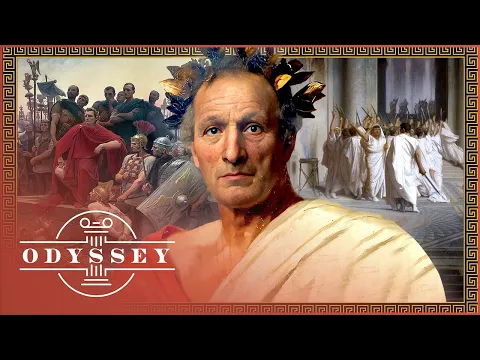
Julius Caesar is the man who forever changed the Roman Empire, turning it from a republic into a system presided over by one man. Follow the rise and fall of one of the ancient world's most controversial figures. Odyssey is your journey into the world of Ancient History; from the dawn of Mesopotamia to the fall of Rome. We'll be bringing you only the best documentaries that journey into the mysteries and ruins of worlds long lost.
Odyssey - Ancient History DocumentariesJulius Caesar: The Man Who Tore Down The Roman Republic | Great Lives | Odyssey

Challenge superstitions as we delve into the lives of farm cats, barn owls, magpies, and more. Witness the natural intelligence and adaptability of these creatures, breaking free from myths and legends. Discover the essential roles they play in agriculture and pest control. Join us on this journey into the wild, where reality contradicts age-old beliefs.
Real Wild